
Crypto for International Payments: How Merchants Get Paid Across Borders Without Bank Fees
International wire transfers cost $30–60 per transaction and take 3–5 days. Cards add 1.5–3% foreign exchange fees and frequently decline for international transactions. Crypto solves both — a payment from Tokyo to Warsaw settles in minutes, costs less than $5 in network fees, and requires no bank at either end.

Crypto Payments for Digital Products: The Definitive No-Chargeback Solution
Digital product creators face a unique problem: buyers can download your ebook, course, or software and then file a chargeback claiming they never received it. Crypto payments make this fraud impossible — once confirmed, the payment cannot be reversed. Here is how to set it up.

Crypto Payments for SaaS: How to Accept Recurring Bitcoin Payments
SaaS businesses live and die by monthly recurring revenue — and Stripe chargebacks on digital subscriptions are a persistent headache. Here is how to add crypto billing to your SaaS product: manual invoicing, API automation, and what to do about the recurring payment challenge crypto introduces.

How to Accept Ethereum Payments on Your Website (Merchant Guide)
Ethereum is the second-largest cryptocurrency by market cap and the foundation of DeFi, NFTs, and Web3. Accepting ETH on your website opens your store to millions of active crypto users — here is how to do it with zero KYC and direct-to-wallet settlement.
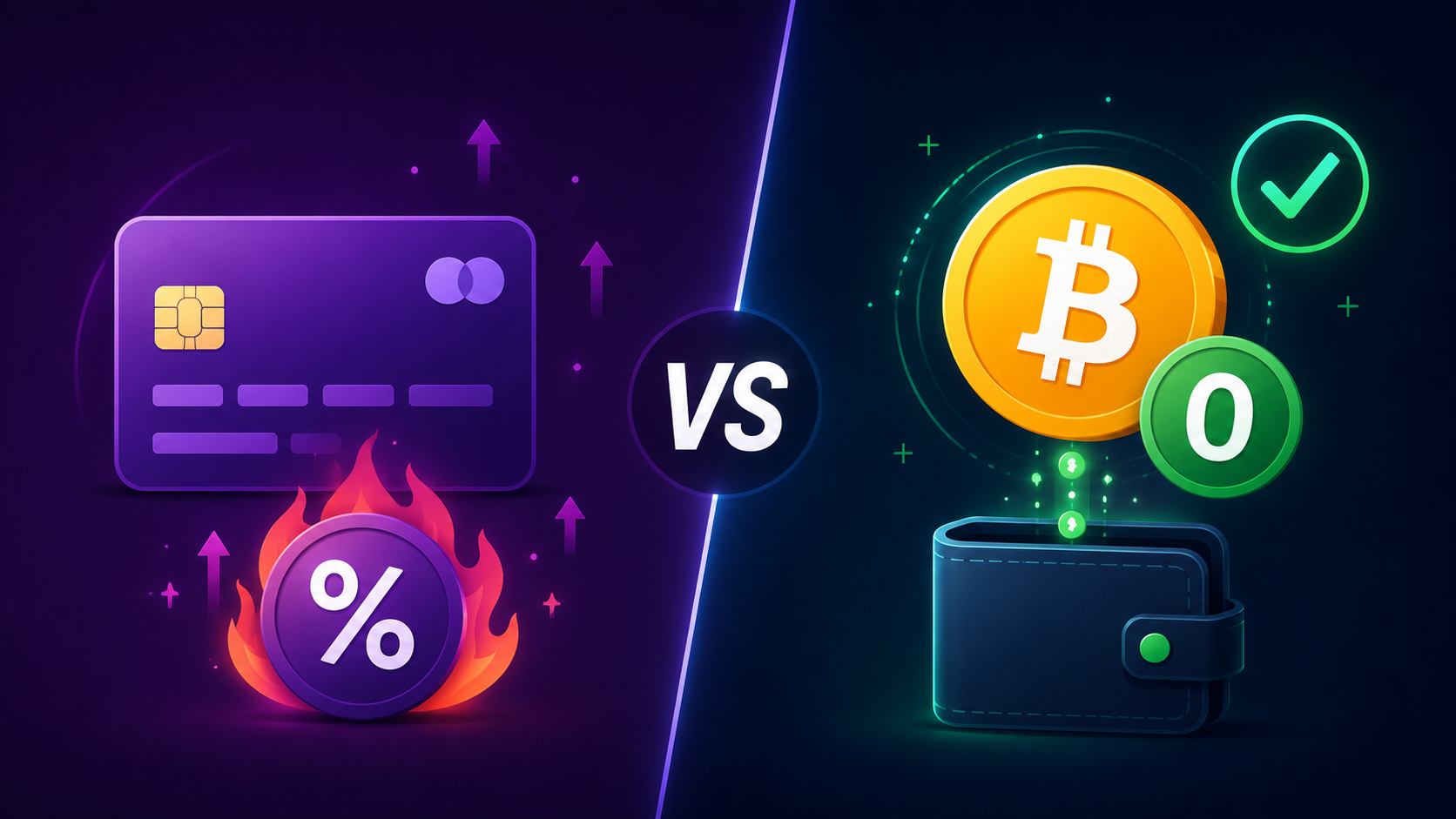
Crypto Payments vs Stripe: Can Crypto Replace Card Processing for Your Business?
Stripe is the default for most online merchants — but at 2.9% per transaction, a $100,000/month business hands over $35,000 a year in fees. Crypto gateways charge nothing per transaction. This guide compares both honestly: where crypto wins, where Stripe wins, and who should switch.
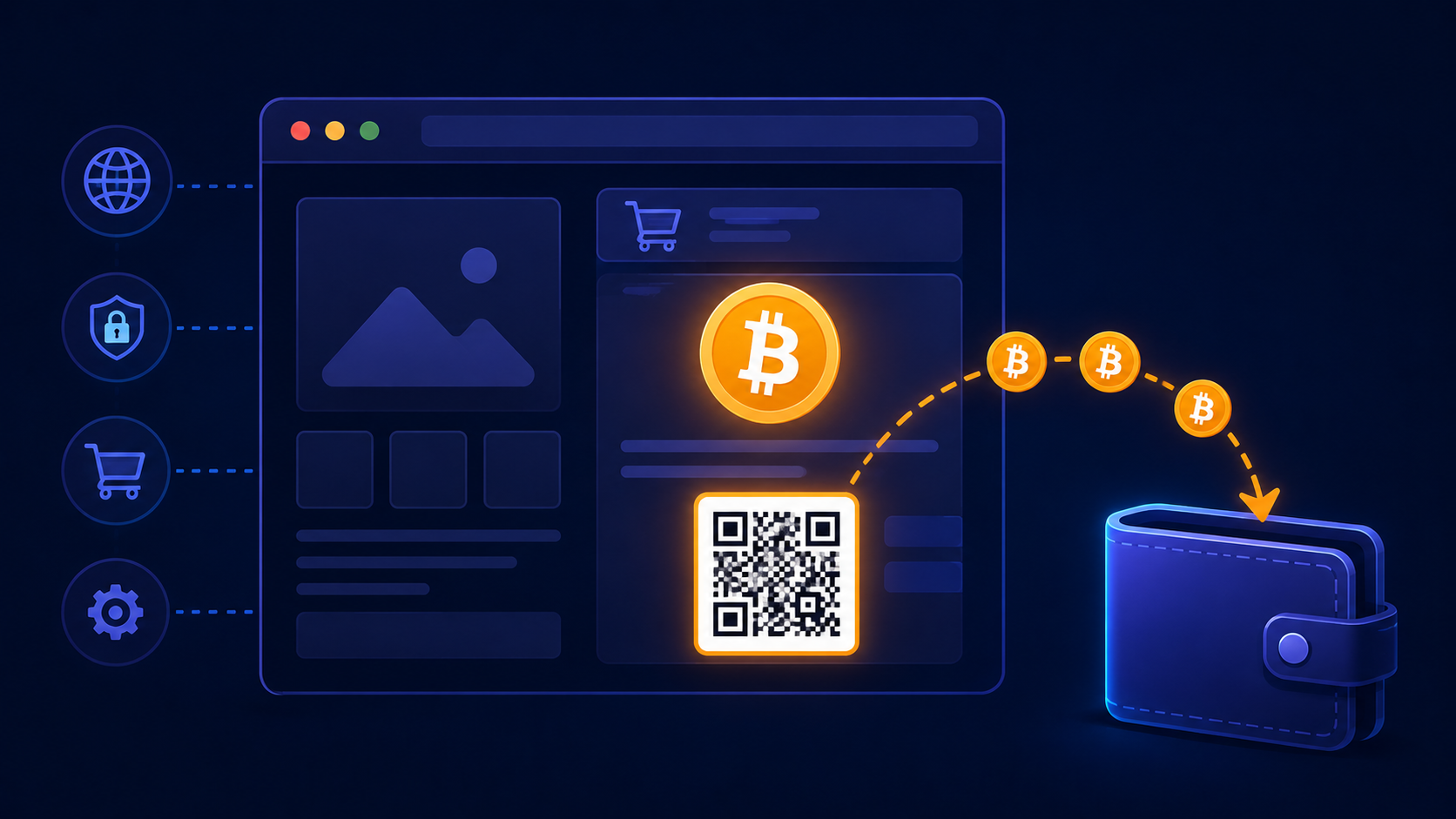
How to Accept Bitcoin Payments on Your Website (Complete Merchant Guide)
Bitcoin is held by over 100 million people globally — but most online stores still do not accept it. Here is everything you need to set up Bitcoin payments on your website: wallet setup, gateway integration, confirmation handling, and the questions merchants ask most.

How to Get Paid in Crypto as a Freelancer (No Bank, No KYC)
PayPal freezes accounts. Stripe requires identity verification. International wire transfers eat your earnings. Crypto payments fix all of this — and with CryptoGate, you can start accepting Bitcoin from clients today without submitting a single identity document.
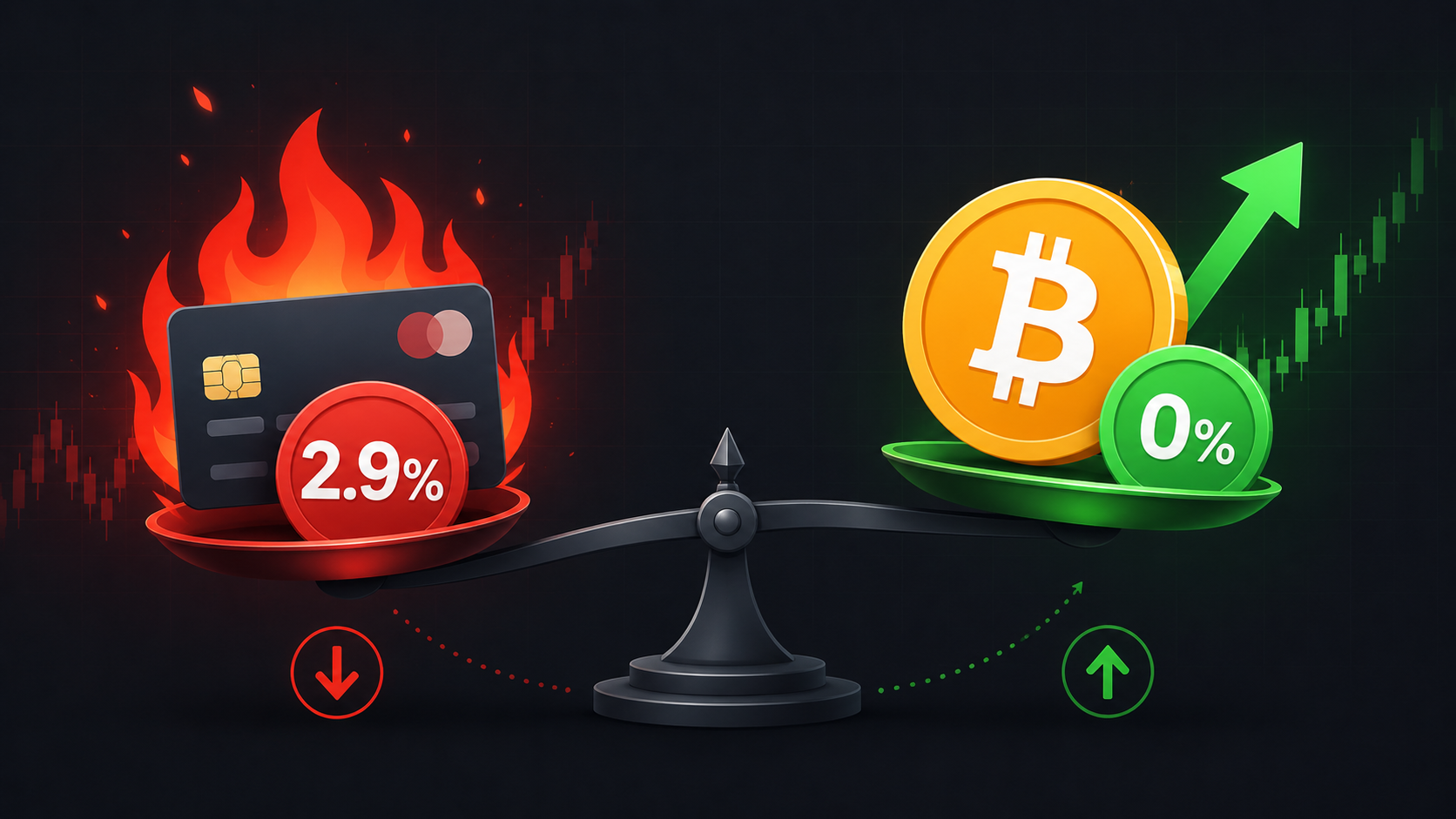
Crypto Payment Gateway Fees Explained: What Merchants Actually Pay
Before you choose a crypto payment gateway, you need to understand exactly what you will be charged — because the fee structures vary wildly. This guide breaks down every type of fee, compares the major gateways, and shows the real cost difference against card processing.

How to Accept Crypto Payments on Shopify (2026 Step-by-Step Guide)
Shopify does not have a built-in no-KYC crypto payment option — but you can add one in under an hour using CryptoGate. Here is the complete setup guide: from wallet xPub to live Bitcoin checkout on your Shopify store.

Best No-KYC Crypto Payment Gateway (2026 Comparison)
Most crypto payment gateways demand identity documents before you see a single payment. We compared every major option to find which gateways actually let you start without KYC — and why the answer comes down to whether the gateway holds your money or not.

DeFi, NFTs, and Staking: How Complex Crypto Activities Are Taxed
Beyond simple buy-and-sell, the crypto space includes staking, yield farming, NFTs, airdrops, and more. Each carries its own tax implications — and most tax authorities have issued at least preliminary guidance.

Polish Crypto Tax Laws: A Complete Guide for 2026
Poland taxes cryptocurrency capital gains at a flat 19% rate, reported on the PIT-38 form. This guide explains the full legal framework — what is taxable, what is not, and how Polish law treats crypto-to-crypto swaps, staking, and DeFi.