What Is Crypto Tax? A Complete Guide for Investors and Merchants
Cryptocurrency is treated as property in most jurisdictions — meaning every sale, swap, or spending event can trigger a tax obligation. Here is everything you need to know to stay compliant.
Why Cryptocurrency Needs Clear Tax Regulations
A patchwork of inconsistent rules creates uncertainty for investors, merchants, and tax authorities alike. Here is why clear, consistent crypto tax regulation matters — and what good regulation looks like.

How to Report Cryptocurrency on Your Taxes: A Step-by-Step Guide
Reporting crypto taxes correctly requires gathering records, calculating cost basis, categorising income types, and filing the right forms. This step-by-step guide walks you through the entire process.
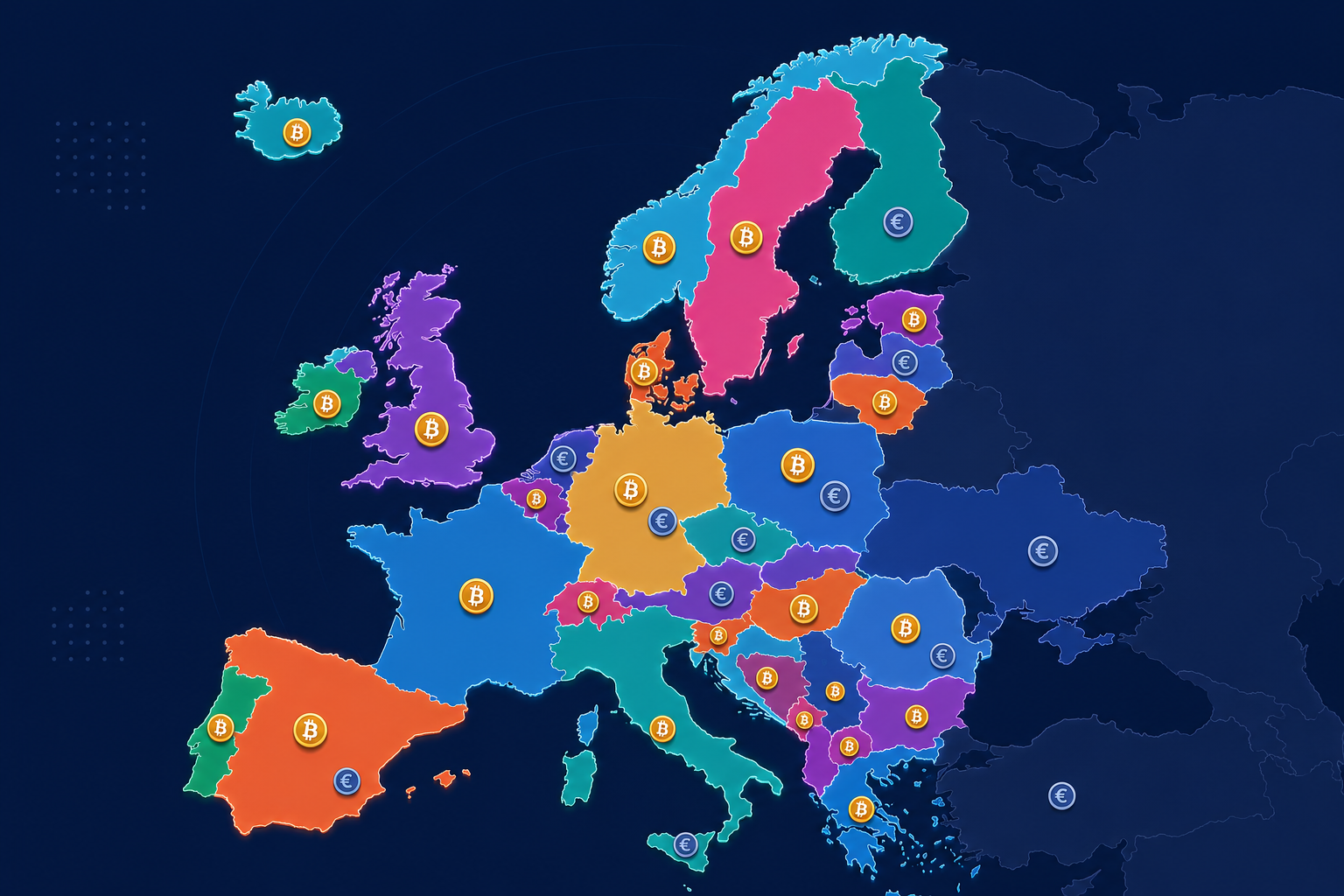
Crypto Tax Across Europe: How 6 Countries Compare
From Germany's tax-free long-term holding to France's flat 30% rate, European countries treat cryptocurrency very differently. Here is a clear comparison to help you understand the landscape.

DeFi, NFTs, and Staking: How Complex Crypto Activities Are Taxed
Beyond simple buy-and-sell, the crypto space includes staking, yield farming, NFTs, airdrops, and more. Each carries its own tax implications — and most tax authorities have issued at least preliminary guidance.
Polish Crypto Tax Laws: A Complete Guide for 2026
Poland taxes cryptocurrency capital gains at a flat 19% rate, reported on the PIT-38 form. This guide explains the full legal framework — what is taxable, what is not, and how Polish law treats crypto-to-crypto swaps, staking, and DeFi.

How to Declare Cryptocurrency in Poland: The PIT-38 Step-by-Step Guide
Polish crypto investors report capital gains on the PIT-38 form by April 30 each year. This practical guide walks through every step — from gathering exchange records to submitting your declaration and paying the 19% tax.
Polish Crypto Taxes: Rates, Deadlines, and the Most Common Mistakes
A flat 19% tax, an April 30 deadline, and strict rules on crypto-to-crypto swaps — but many Polish investors still make costly errors. Here is what to watch out for.