
Crypto for International Payments: How Merchants Get Paid Across Borders Without Bank Fees
International wire transfers cost $30–60 per transaction and take 3–5 days. Cards add 1.5–3% foreign exchange fees and frequently decline for international transactions. Crypto solves both — a payment from Tokyo to Warsaw settles in minutes, costs less than $5 in network fees, and requires no bank at either end.
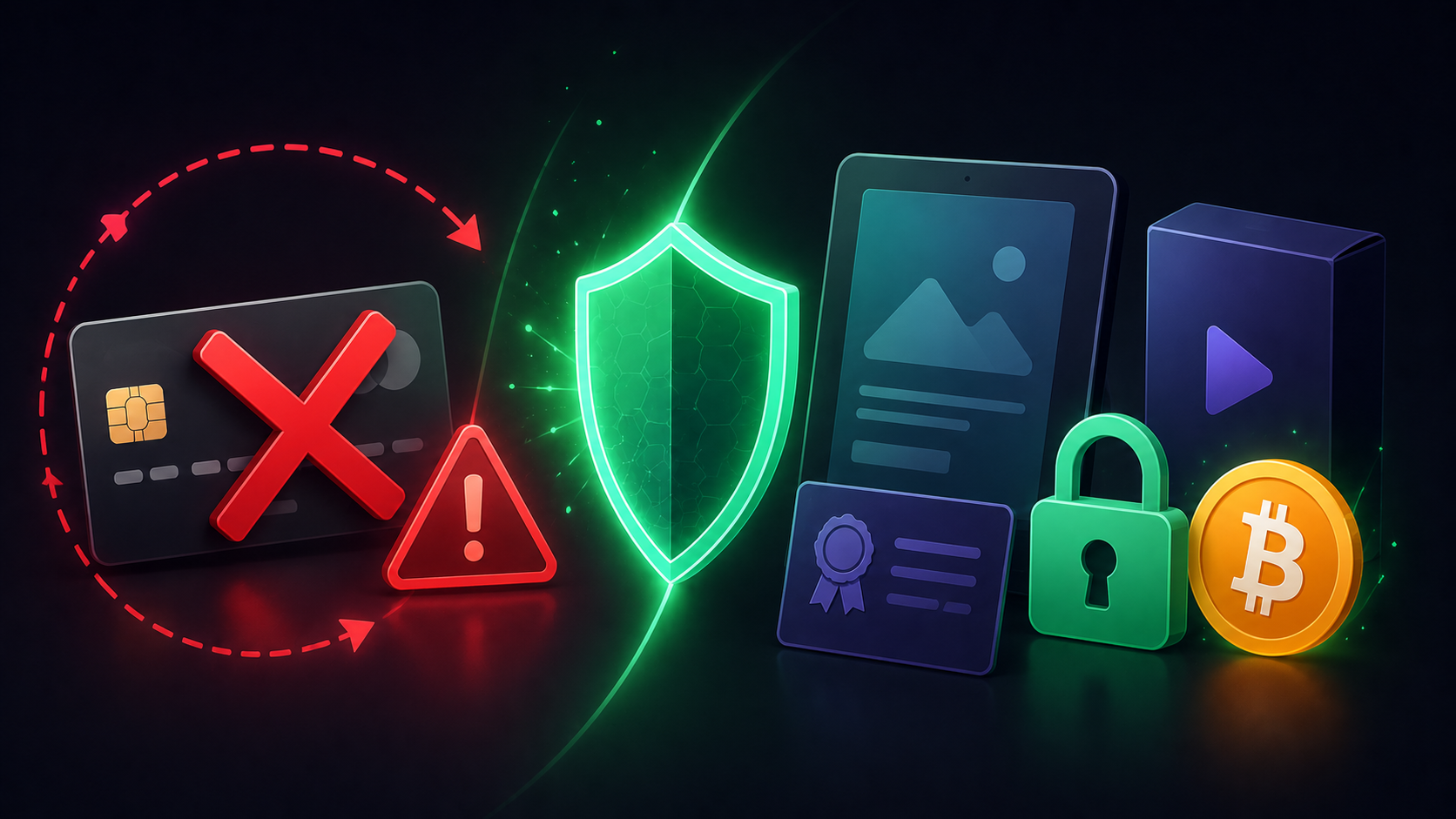
Crypto Payments for Digital Products: The Definitive No-Chargeback Solution
Digital product creators face a unique problem: buyers can download your ebook, course, or software and then file a chargeback claiming they never received it. Crypto payments make this fraud impossible — once confirmed, the payment cannot be reversed. Here is how to set it up.

Crypto Payments for SaaS: How to Accept Recurring Bitcoin Payments
SaaS businesses live and die by monthly recurring revenue — and Stripe chargebacks on digital subscriptions are a persistent headache. Here is how to add crypto billing to your SaaS product: manual invoicing, API automation, and what to do about the recurring payment challenge crypto introduces.

How to Accept Ethereum Payments on Your Website (Merchant Guide)
Ethereum is the second-largest cryptocurrency by market cap and the foundation of DeFi, NFTs, and Web3. Accepting ETH on your website opens your store to millions of active crypto users — here is how to do it with zero KYC and direct-to-wallet settlement.
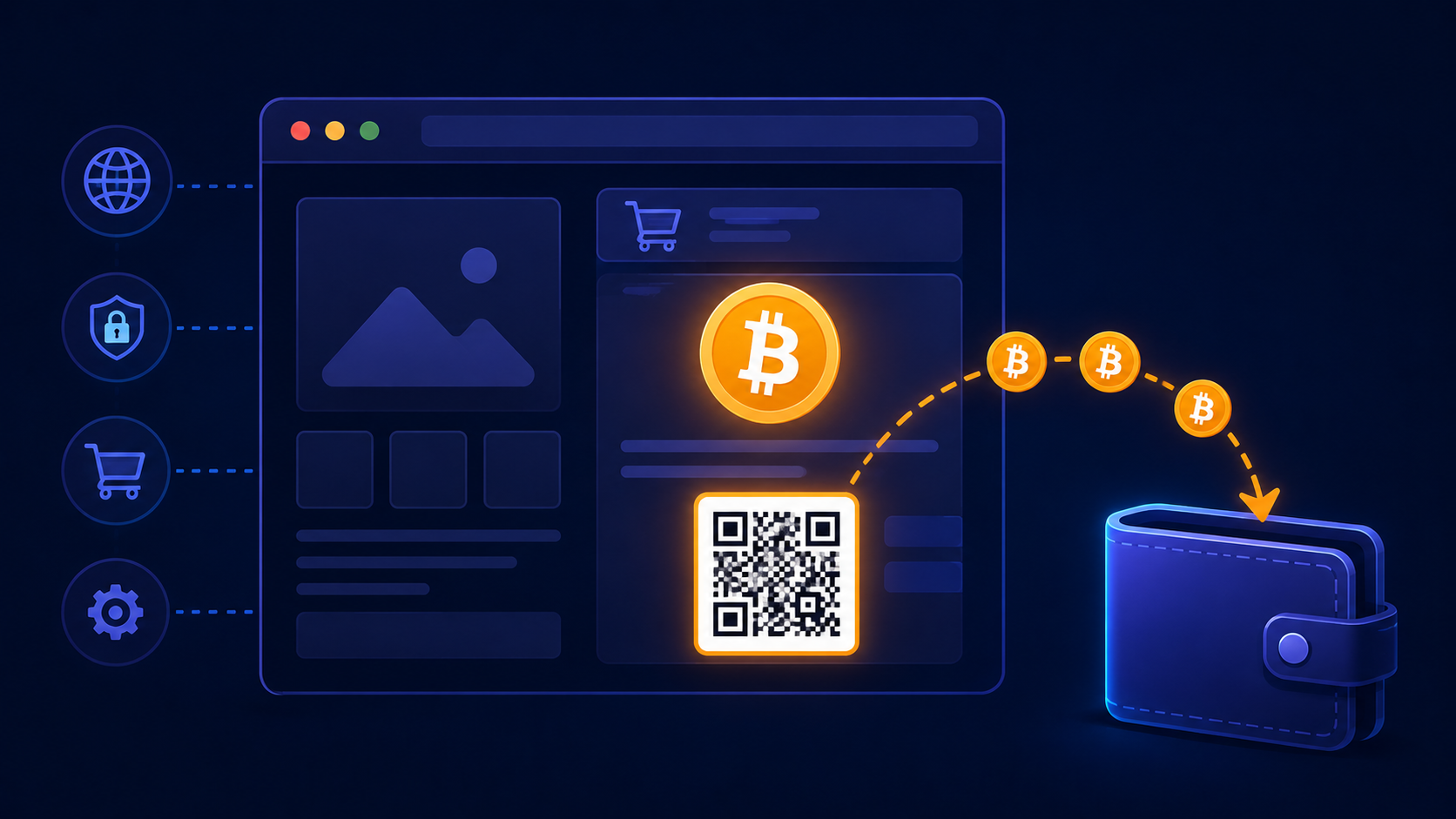
How to Accept Bitcoin Payments on Your Website (Complete Merchant Guide)
Bitcoin is held by over 100 million people globally — but most online stores still do not accept it. Here is everything you need to set up Bitcoin payments on your website: wallet setup, gateway integration, confirmation handling, and the questions merchants ask most.

How to Get Paid in Crypto as a Freelancer (No Bank, No KYC)
PayPal freezes accounts. Stripe requires identity verification. International wire transfers eat your earnings. Crypto payments fix all of this — and with CryptoGate, you can start accepting Bitcoin from clients today without submitting a single identity document.
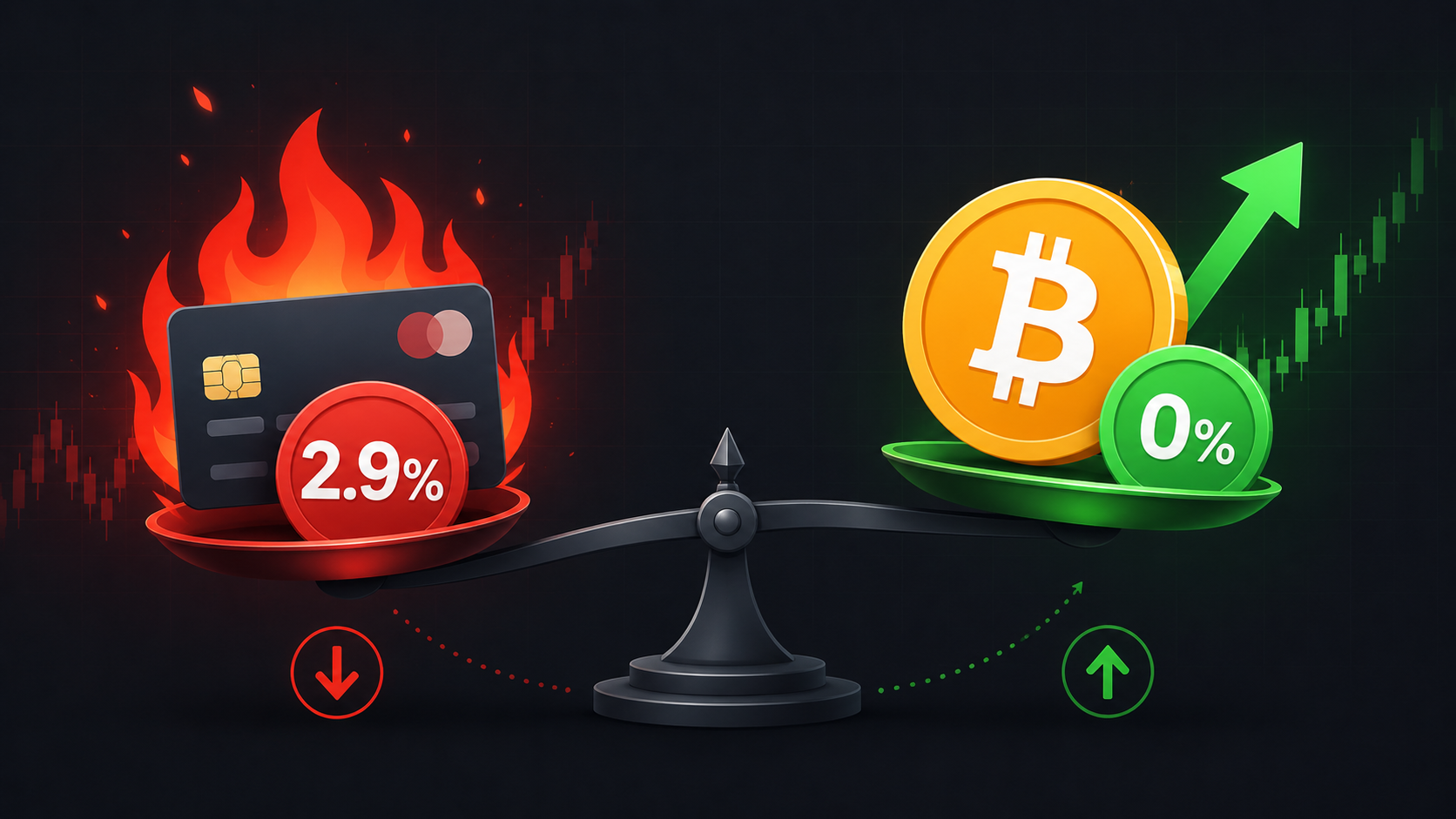
Crypto Payment Gateway Fees Explained: What Merchants Actually Pay
Before you choose a crypto payment gateway, you need to understand exactly what you will be charged — because the fee structures vary wildly. This guide breaks down every type of fee, compares the major gateways, and shows the real cost difference against card processing.

Crypto Wallet Security: 7 Mistakes That Lead to Lost Funds
Most crypto losses are not exchange hacks or sophisticated attacks. They are avoidable mistakes made by real people who thought they were being careful. Here are the seven most common ones and exactly how to avoid them.

Not Your Keys, Not Your Coins: A Plain English Guide to Crypto Self-Custody
When FTX collapsed overnight, billions of dollars in customer funds vanished. The phrase "not your keys, not your coins" is not just a slogan — it describes a specific technical reality that determines whether you actually own your crypto.

HD Wallets Explained: How One Seed Phrase Controls Thousands of Addresses
A hierarchical deterministic wallet can generate millions of unique addresses from a single 12-word phrase — and every single one can be recovered from that phrase alone. Here is how that works and why it matters.

What Is an xPub Key? How One Key Generates Unlimited Bitcoin Addresses
Most merchants never think about why their crypto payment processor never reuses an address. The answer is xPub keys — and understanding them explains why non-custodial payments are possible at all.
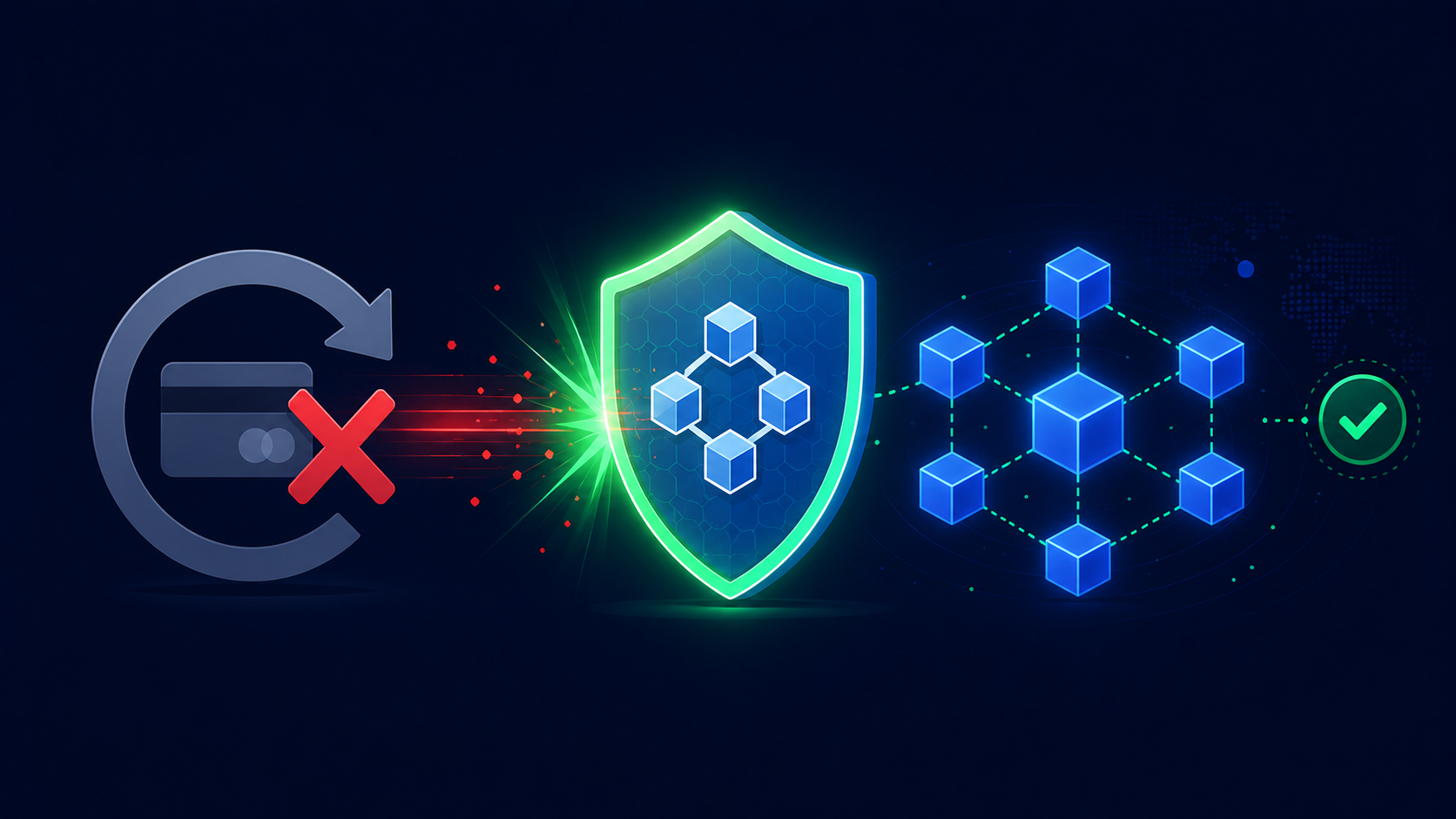
How Crypto Payments Eliminate Chargebacks for Good
Chargebacks cost merchants $125 billion a year. Crypto payments remove the mechanism that makes them possible — here is how and why.