
How to Report Cryptocurrency on Your Taxes: A Step-by-Step Guide
Reporting crypto taxes correctly requires gathering records, calculating cost basis, categorising income types, and filing the right forms. This step-by-step guide walks you through the entire process.
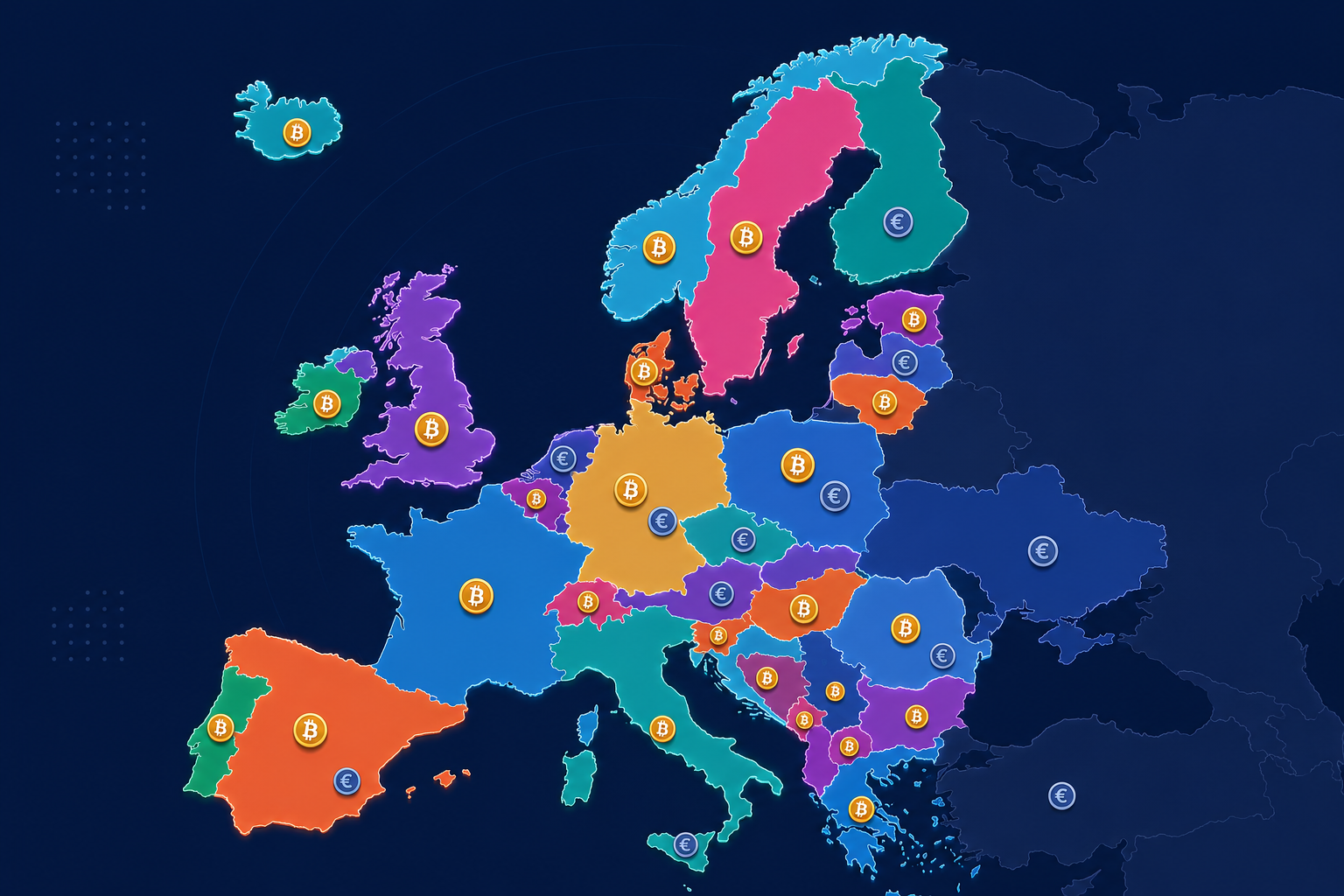
Crypto Tax Across Europe: How 6 Countries Compare
From Germany's tax-free long-term holding to France's flat 30% rate, European countries treat cryptocurrency very differently. Here is a clear comparison to help you understand the landscape.

DeFi, NFTs, and Staking: How Complex Crypto Activities Are Taxed
Beyond simple buy-and-sell, the crypto space includes staking, yield farming, NFTs, airdrops, and more. Each carries its own tax implications — and most tax authorities have issued at least preliminary guidance.
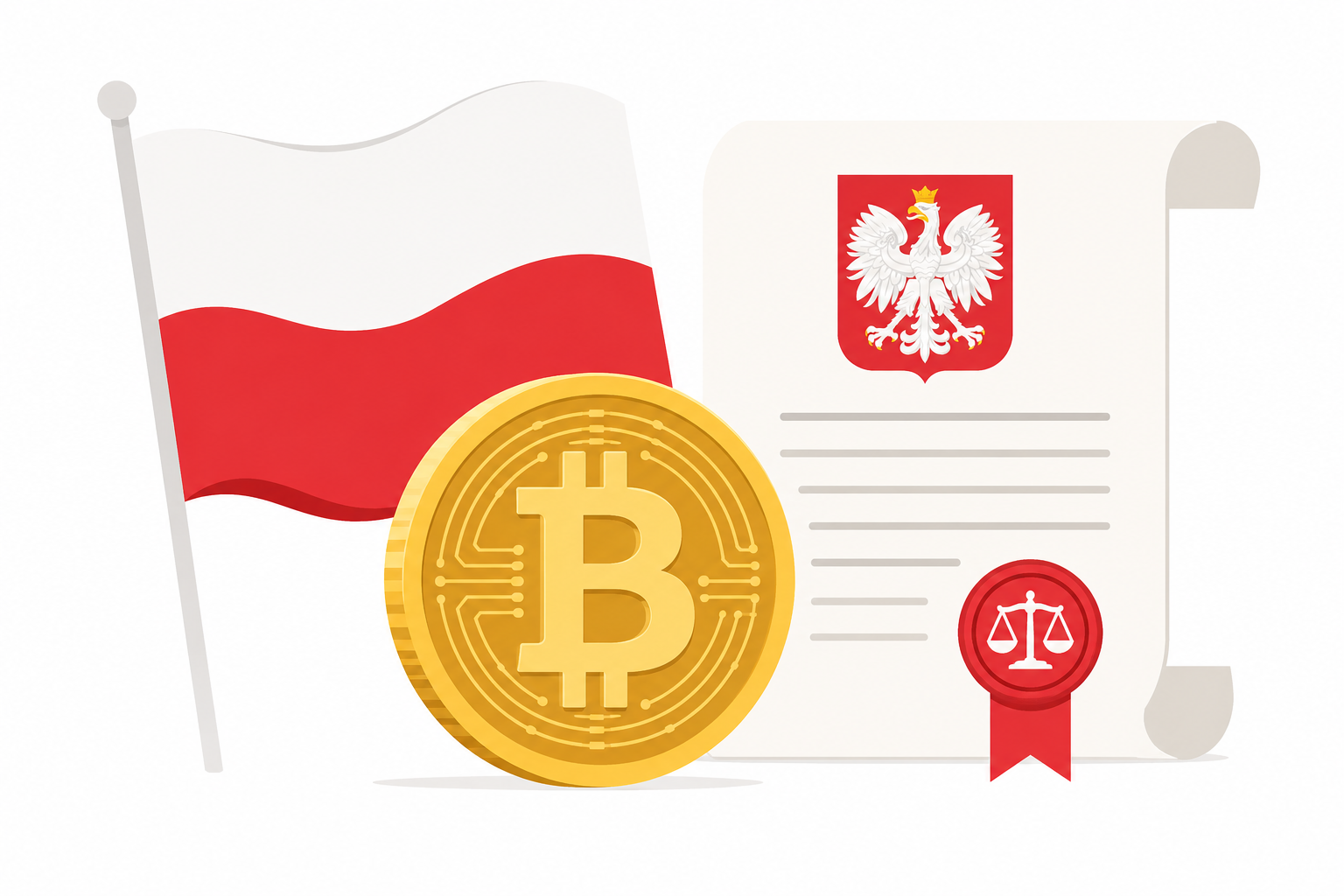
Polish Crypto Tax Laws: A Complete Guide for 2026
Poland taxes cryptocurrency capital gains at a flat 19% rate, reported on the PIT-38 form. This guide explains the full legal framework — what is taxable, what is not, and how Polish law treats crypto-to-crypto swaps, staking, and DeFi.
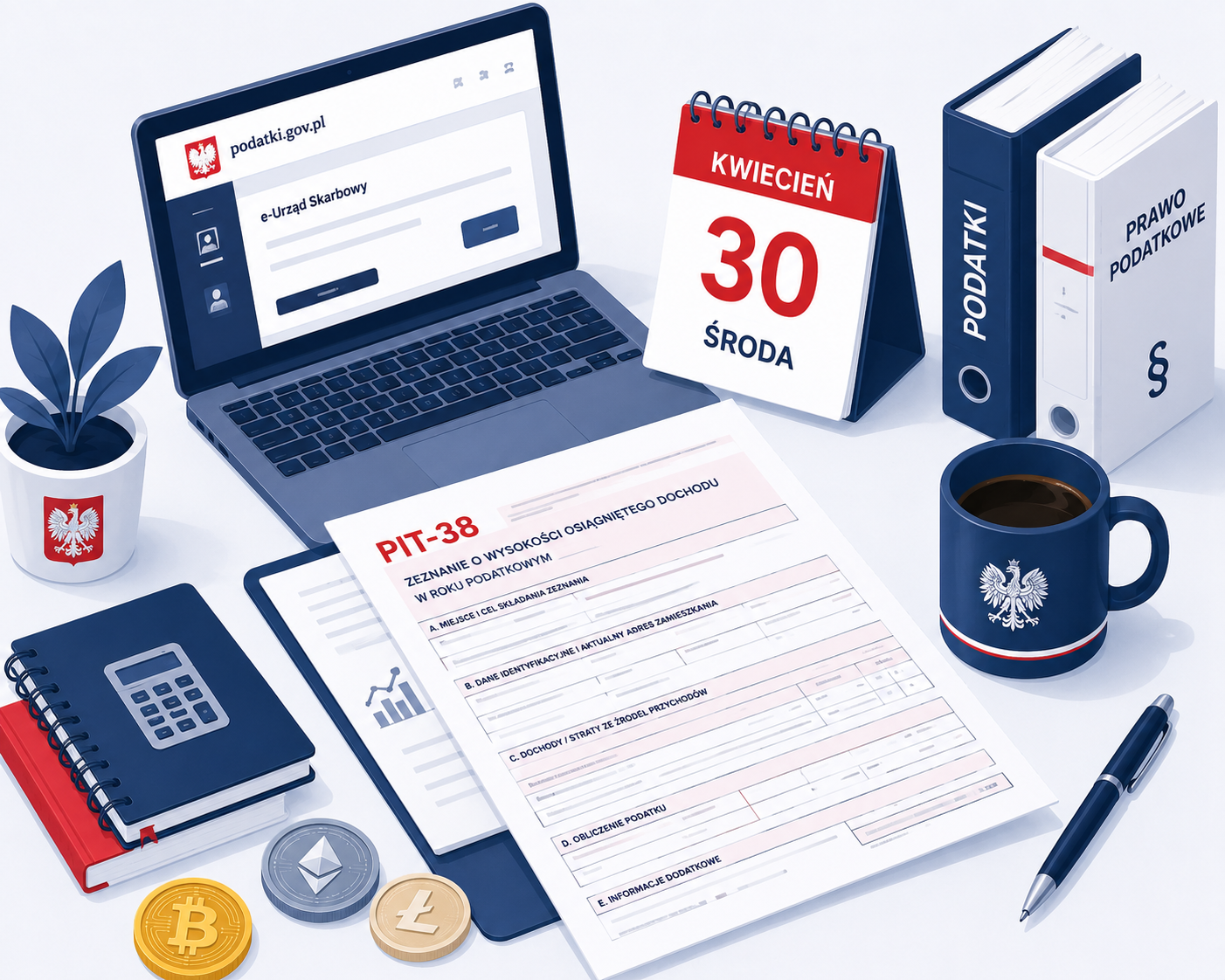
How to Declare Cryptocurrency in Poland: The PIT-38 Step-by-Step Guide
Polish crypto investors report capital gains on the PIT-38 form by April 30 each year. This practical guide walks through every step — from gathering exchange records to submitting your declaration and paying the 19% tax.
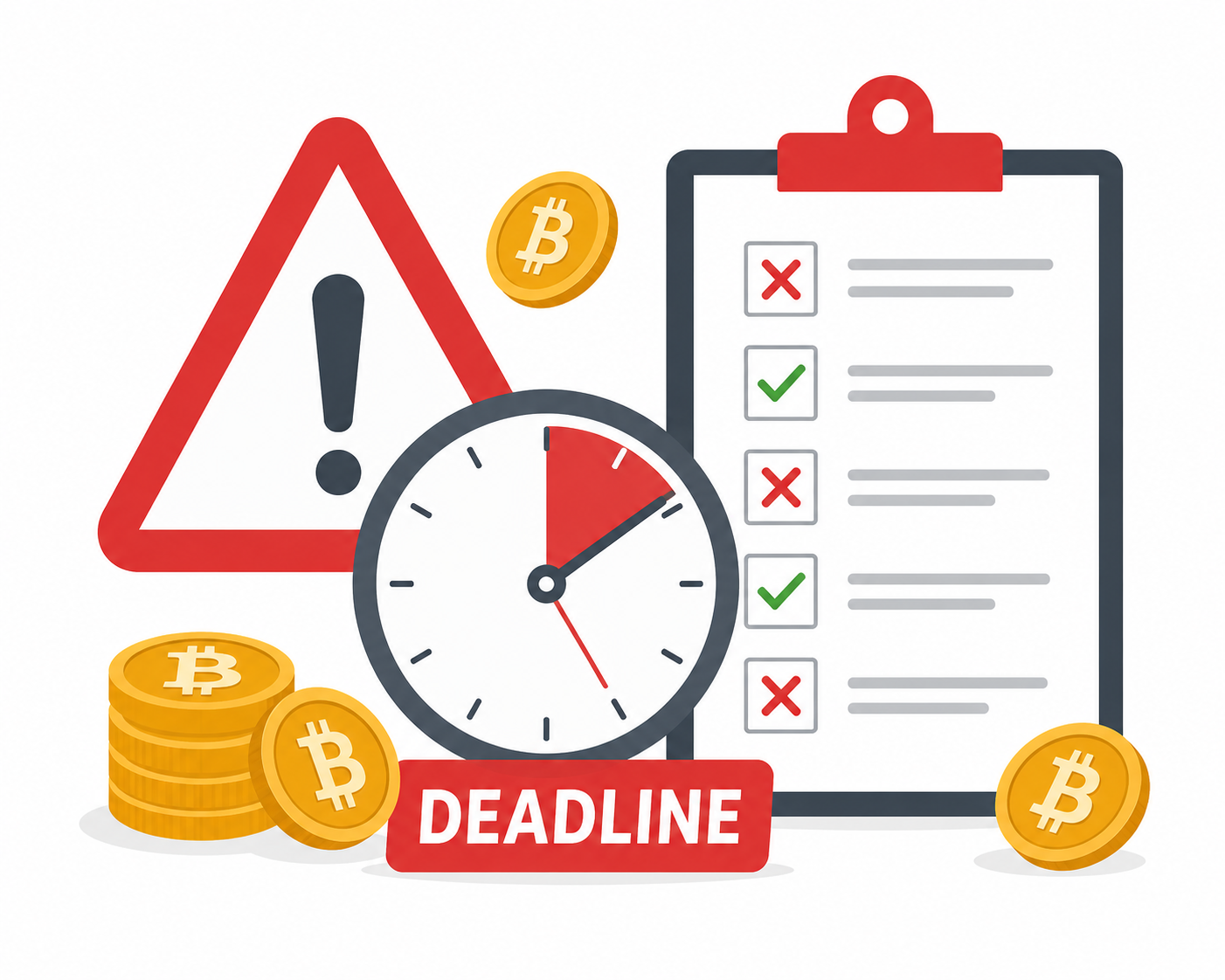
Polish Crypto Taxes: Rates, Deadlines, and the Most Common Mistakes
A flat 19% tax, an April 30 deadline, and strict rules on crypto-to-crypto swaps — but many Polish investors still make costly errors. Here is what to watch out for.

Crypto Wallet Security: 7 Mistakes That Lead to Lost Funds
Most crypto losses are not exchange hacks or sophisticated attacks. They are avoidable mistakes made by real people who thought they were being careful. Here are the seven most common ones and exactly how to avoid them.

Not Your Keys, Not Your Coins: A Plain English Guide to Crypto Self-Custody
When FTX collapsed overnight, billions of dollars in customer funds vanished. The phrase "not your keys, not your coins" is not just a slogan — it describes a specific technical reality that determines whether you actually own your crypto.

Hardware Wallets vs Software Wallets: What Merchants Actually Need
Ledger, Trezor, MetaMask, and a mobile app are all called wallets — but they offer radically different security guarantees. Here is an honest breakdown based on the threat model that actually applies to merchants.

HD Wallets Explained: How One Seed Phrase Controls Thousands of Addresses
A hierarchical deterministic wallet can generate millions of unique addresses from a single 12-word phrase — and every single one can be recovered from that phrase alone. Here is how that works and why it matters.

What Is an xPub Key? How One Key Generates Unlimited Bitcoin Addresses
Most merchants never think about why their crypto payment processor never reuses an address. The answer is xPub keys — and understanding them explains why non-custodial payments are possible at all.
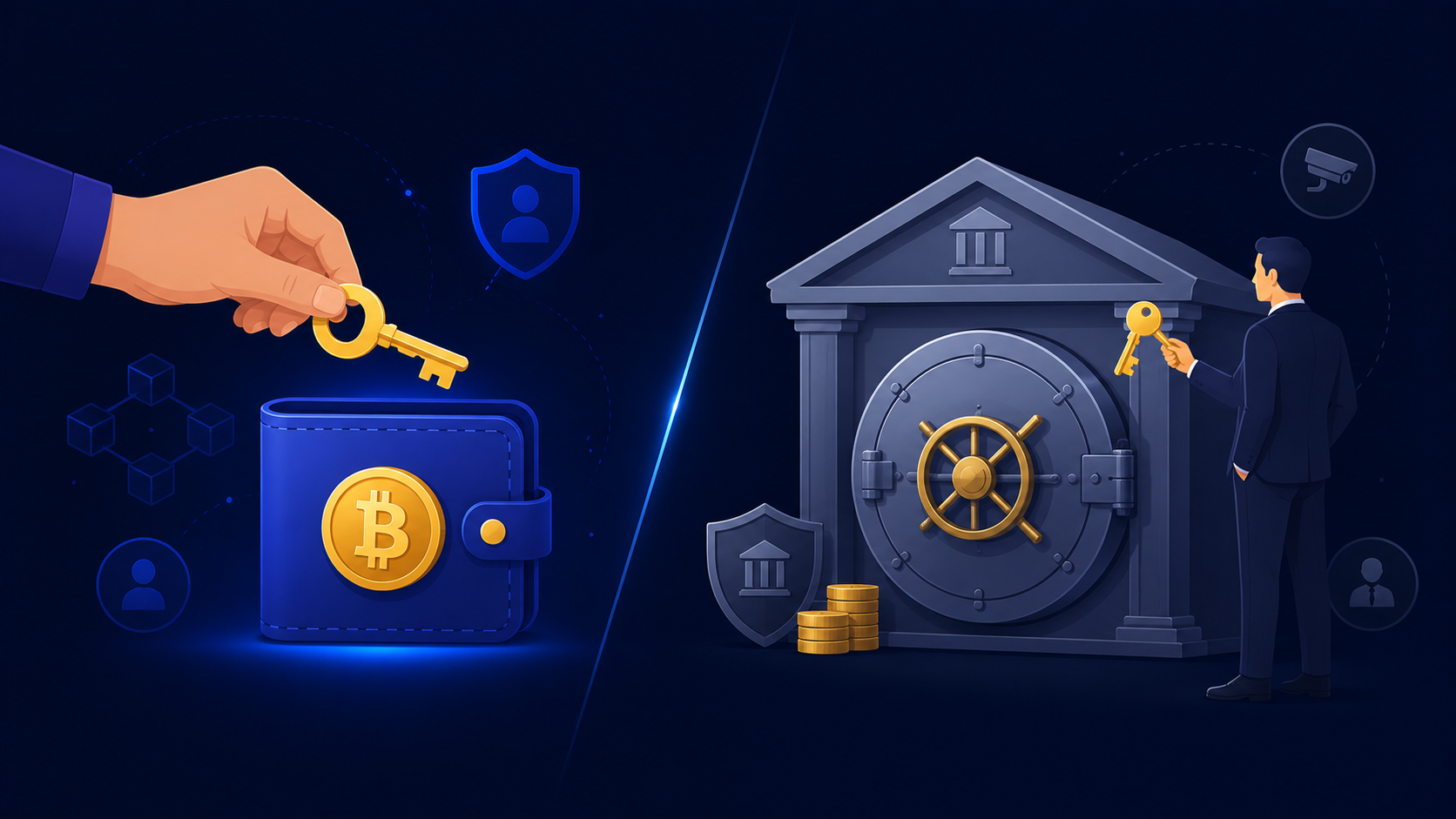
Non-Custodial vs Custodial Crypto Payment Processors: What Is the Difference?
Not all crypto payment processors work the same way. The custody model determines who actually controls your funds — and the answer matters more than you think.